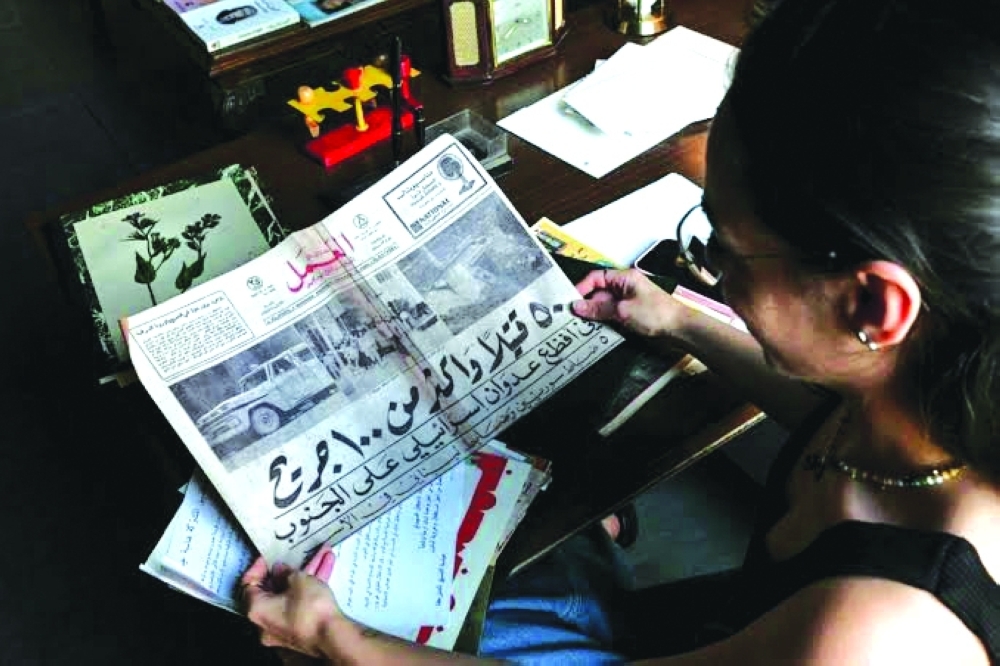





Tears streamed down Fatima Hajj Ali’s face as she stared at dozens of keys suspended like wind chimes from the ceiling of a Beirut museum, each symbolising a home destroyed in southern Lebanon during recent fighting.
Hajj Ali is among thousands of southerners who lost their houses during recent conflicts between Israel and Hezbollah, which began in 2023 and erupted again in March as the group joined the wider Middle East war in support of Iran.
“We were supposed to go home and open the door with the key, but there is no door anymore,” the 23-year-old said.
Despite a lull following a memorandum of understanding signed by the United States and Iran on June 17, intermittent Israeli strikes and demolitions in and around occupied villages have prevented many residents from returning.
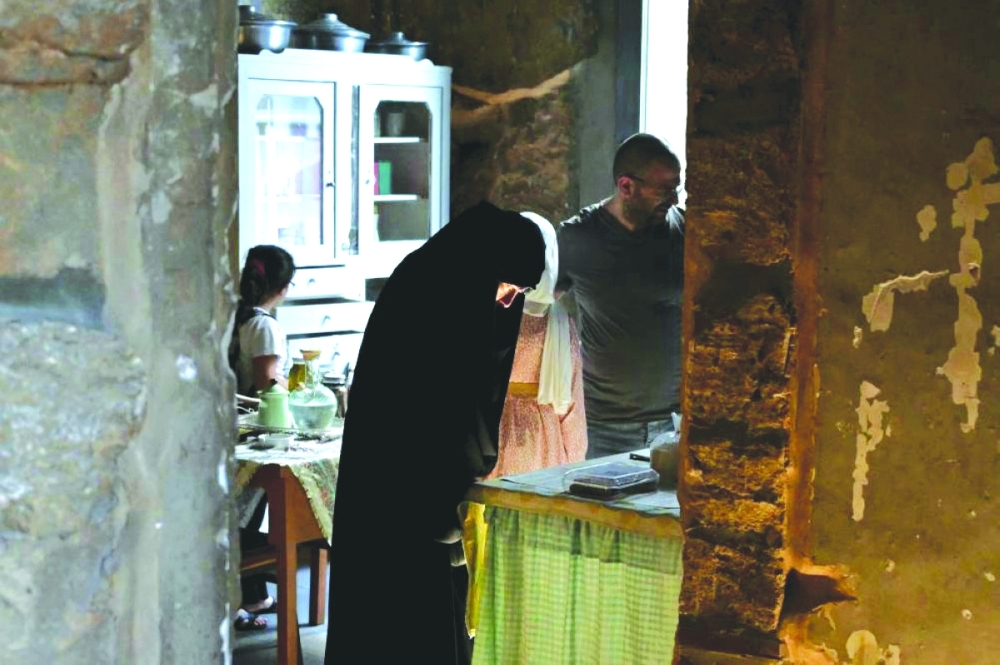
The exhibition “Hkeeli ya Jnoub”, or “Tell Me, O South”, uses photographs, videos and installations to preserve memories of southern Lebanon at the capital’s Beit Beirut museum.
The displays turn ordinary household objects into reminders of absence. Keys, photographs, furniture and handwritten memories connect private loss with the region’s wider history, allowing visitors to encounter the south through the lives of people who once called it home. For residents like Hajj Ali, the exhibition is both an archive of places that disappeared and a space to grieve their loss.
Walking through the exhibition, Hajj Ali recalled her home in Nabatieh al Fawqa, which she visited only once after an April truce that ultimately failed to end the fighting.
She found one half of the house collapsed while the other remained.
The psychologist said she missed drinking coffee in her garden at sunset as the call to prayer sounded. Beirut had beautiful places, she said, but none felt like home.
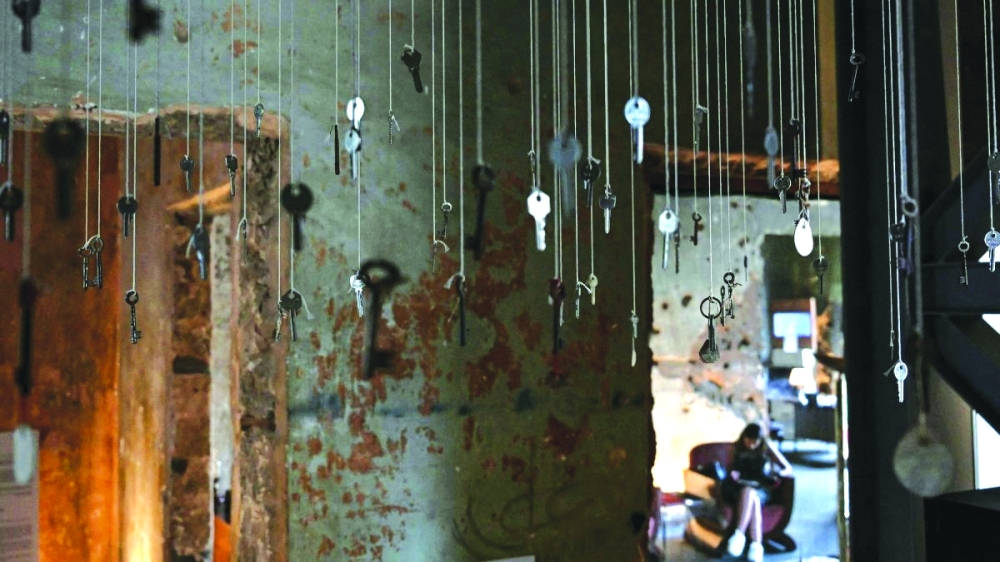
Among the works is “Keys Without Homes”, featuring videos of three southerners who kept the keys to houses that no longer exist.
Artist Adeeb Farhat, 36, who is from southern Lebanon, developed the idea during the 2024 war, when he feared his own house would be destroyed.
He said he was haunted by questions about what would happen to his home, how his relationship with its key might change and whether the Lebanese would become “the new Palestinians”.
Palestinians have a longstanding tradition of preserving keys to homes they lost during the Nakba, Arabic for “catastrophe”, when an estimated 760,000 Palestinian Arabs fled or were expelled during Israel’s creation in 1948.
Elsewhere, a bedroom, living room and kitchen, complete with a glass jug, coffee pot and spice containers, recreate everyday life in southern Lebanese homes.
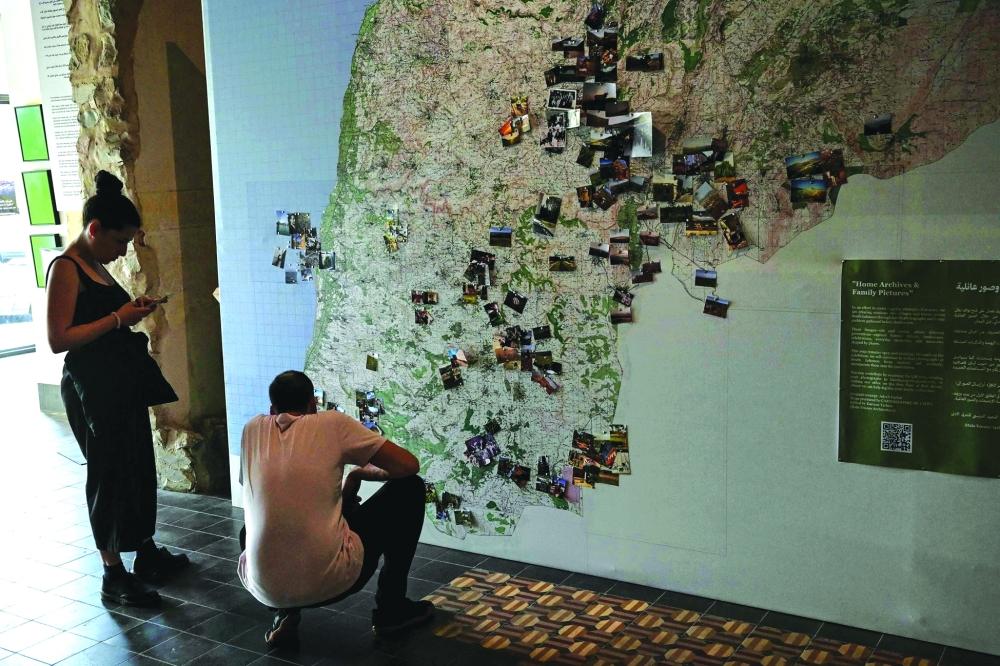
The exhibition also features an old photograph of the coastal city of Tyre, a black-and-white video of Nabatieh and notebooks filled with visitors’ memories of the south.
In another work, “What Remains”, Paris-based artist Sama Beydoun displays photographs of her grandfather’s home in Bint Jbeil, near the Israeli border. She last saw the house in 2025 before it was destroyed.
A technical glitch caused most of the images to appear blurry, giving them the quality of a dream, Beydoun said.
She remembered how the house brought people together, witnessed generations of her family and hosted weekly Sunday gatherings even as life changed around it.
The 29-year-old described life there as simple but beautiful.
Rawan Mazeh’s photo essay “Manufacturing Estrangements” tells the story of a couple detained in Khiam Prison, which was run by the South Lebanon Army, an Israeli proxy militia, during Israel’s 22-year occupation of southern Lebanon that ended in 2000.
For Mazeh, 29, the exhibition has created a welcoming place where displaced southerners can reconnect with their memories and feel closer to their land.— AFP
Oman Observer is now on the WhatsApp channel. Click here